Identity and Self-Perception
Discover your true self and build a healthy relationship with yourself
Self-perception is how you see yourself, how you think about yourself and how you treat yourself. Identity is the answer to the question "who am I": your values, beliefs, body, gender, faith and place in society. When your relationship with yourself is disrupted, it shows up as low self-worth, harsh inner criticism, complexes or a feeling that you don't belong anywhere. You can build your relationship with yourself at any age.

Show more
Knowing yourself is the foundation for a happy and fulfilling life. The path to understanding your own identity and positive self-perception can sometimes be challenging, but it brings invaluable results. Whether you are struggling with complexes, seeking self-confidence, or trying to accept your body, a therapist can help you find the path to self-love and self-acceptance.
Working on your identity involves many aspects—from building self-confidence and self-esteem to resolving internal conflicts or religious issues. A professional can help you better understand your dreams, overcome stigma, and find a balance between individuality and social expectations.
Sessions with a skilled professional provide a safe space to explore your relationship with yourself and your body. You will learn self-compassion techniques and gain tools to overcome your complexes. Whether you are a woman seeking self-confidence in a patriarchal society or someone trying to improve your body image, professional support can help you on your journey to an authentic and contented self.
- Identity
- Transgender
- High sensitivity
- Self-love
- Self-acceptance
- Self-compassion
- Self-confidence
- Women's Self-confidence
- Dreams
- Stigma
- Internal Conflicts
- Relationship with Your Body
- Relationship with Yourself
- Body Image
- Individualization
- Complexes
- Religious Questions
- Self-trust
- Self-worth
When to seek help?
Your inner critic won't go quiet.
You keep going over in your head what you do wrong, and you can't give yourself credit.
You compare yourself to others.
You feel that other people are better, more attractive or more successful.
Your body bothers you.
You avoid mirrors, photos or situations where someone might see you.
You don't know who you are.
You feel lost in your values, faith or identity.
You are very sensitive.
Stimuli, other people's emotions and noise quickly overwhelm you, and you feel that you are "too much".
You feel different.
Because of your identity, orientation or background, you face prejudice and feel that you don't belong anywhere.
Experts on this topic

Mgr. Veronika Šemberová
5 years

Mgr. Judita Majerová
6 years

Mgr. Anna Hubčíková
8 years

Mgr. Paulína Baranová
9 years

Mgr. Veronika Pastrnáková
9 years

Mgr. Veronika Pružinská
8 years

Mgr. Lucia Dodeková
10 years

Mgr. Janka Lacková
20 years
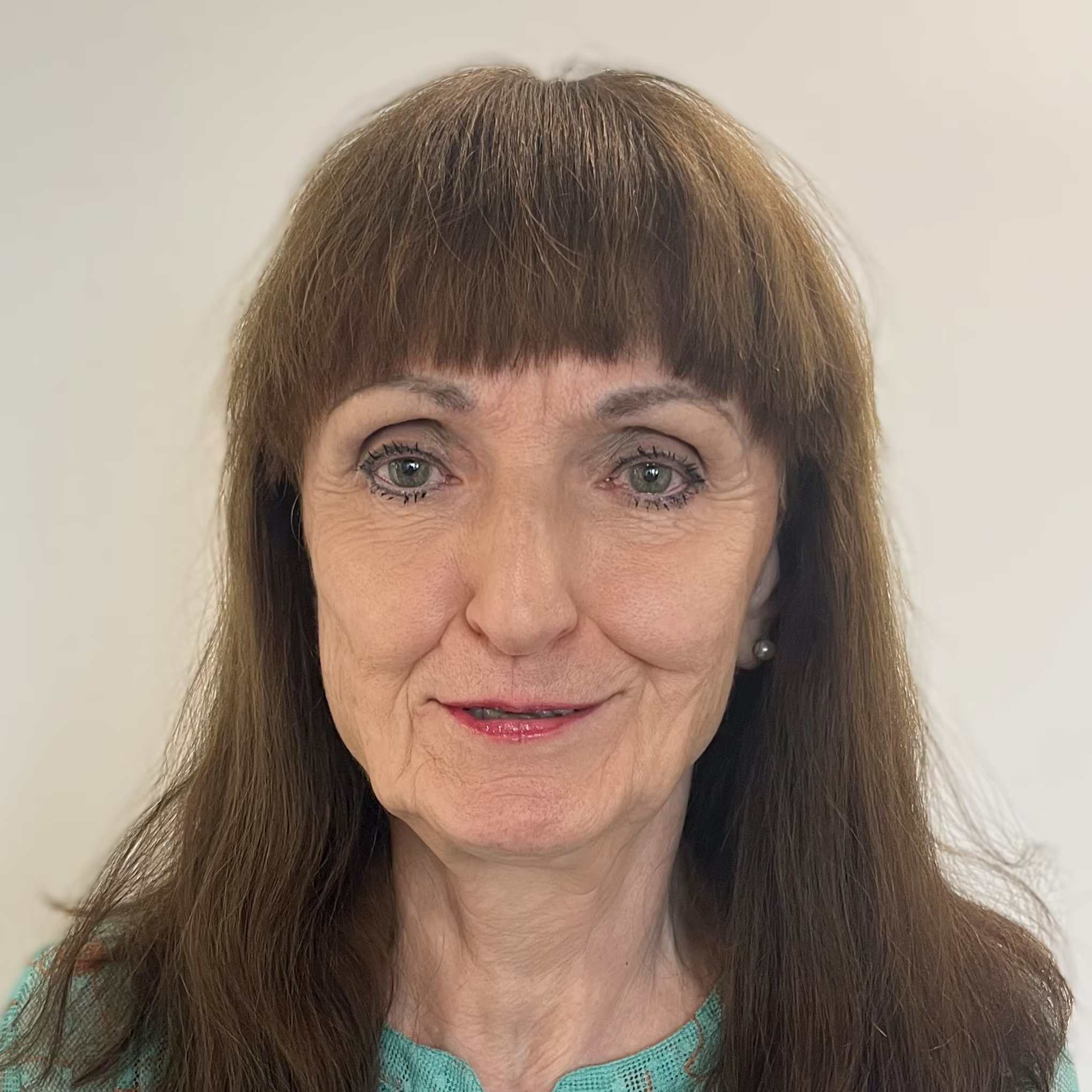
Mgr. Dagmar Kotmel
38 years

PhDr. Anna Zavacká Dudová
5 years

Mgr. Dana Sidorová
5 years

Mgr. Eva Falisová
4 years

Ing. Mgr. Andrej Kuruc
7 years

Mgr. Lucia Hlístová
4 years

Mgr. Michaela Senková
8 years

Mgr. Katarína Melová
15 years

Mgr. Marek Boňko
3 years

PhDr. Iveta Jonášová, PhD.
19 years

Mgr. Andrea Hladká
4 years

Mgr. Simona Korenačková
4 years

Mgr. Anna Mondeková
7 years

Mgr. Vladimíra Majerníková
15 years

Mgr. Anna Danková
7 years

Mgr. Dominik Schwab
3 years
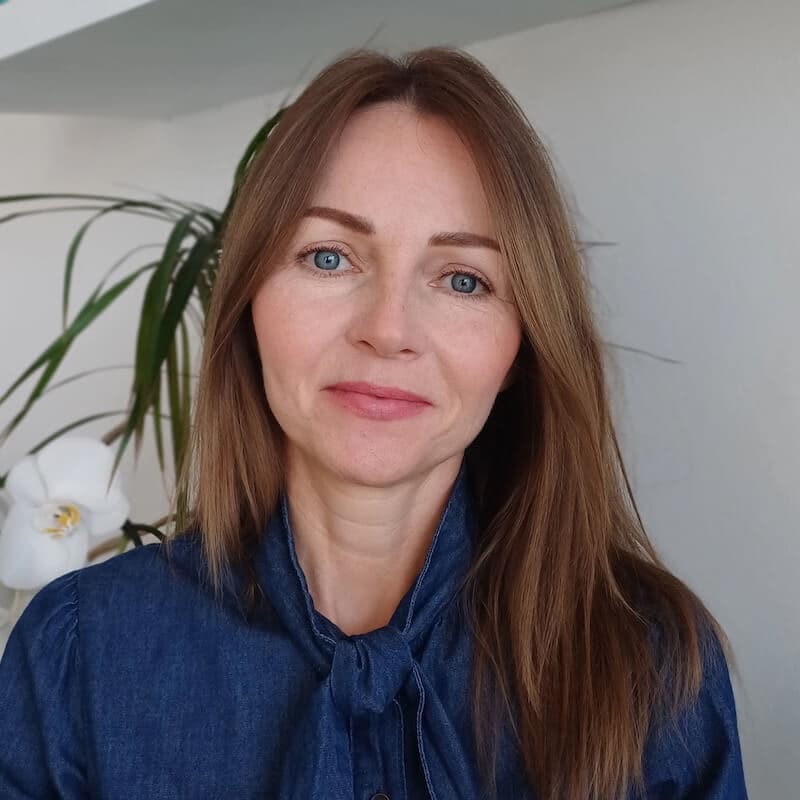
Mgr. Lenka Jurčová
15 years

Mgr. Michaela Valentovičová
5 years

Mgr. Michaela Guldanová
8 years

Mgr. Katarína Baňasová, PhD.
10 years

Mgr. Barbora Senková
6 years

PhDr. Lea Bodnár
6 years

Mgr. Iveta Pivarčiová
7 years

Mgr. Michaela Valušová
5 years

Mgr. Eva Timoščuková
3 years

Mgr. Martina Sidorová
11 years

Mgr. Zuzana Svepešová
7 years
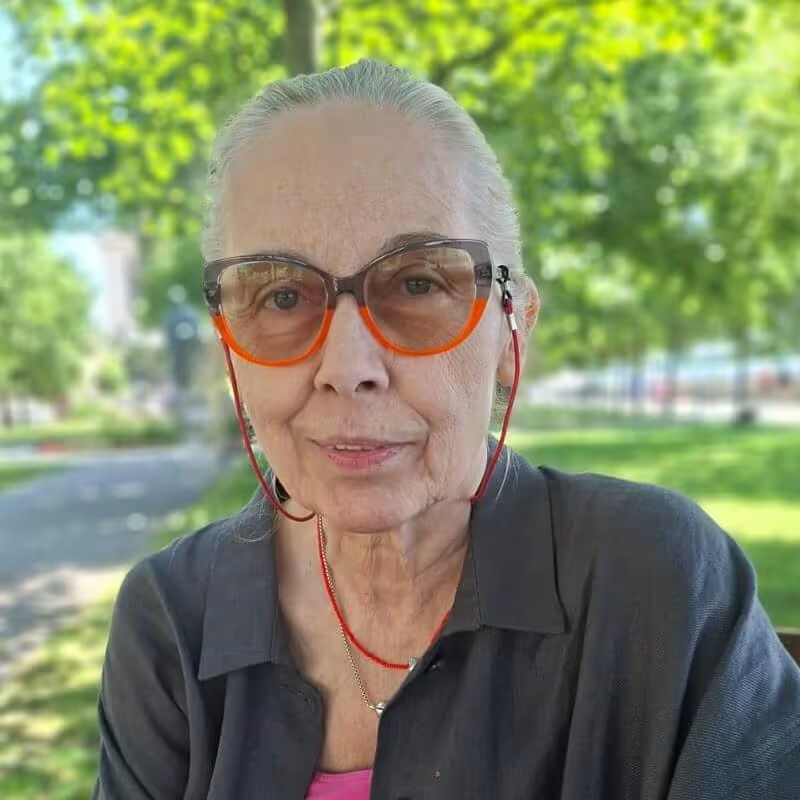
PhDr. Andrea Beňušková
30 years

Mgr. Lenka Vavro
3 years

Mgr. Mária Šemberová
3 years

Mgr. Veronika Čiefová
4 years

Mgr. Barbora Medovarská
5 years

Mgr. Silvia Frantová
6 years

PhDr. Simona Zahoráková
8 years

Mgr. Soňa Devečka Gorušová
12 years

Mgr. Nora Sonča Gnipová
7 years
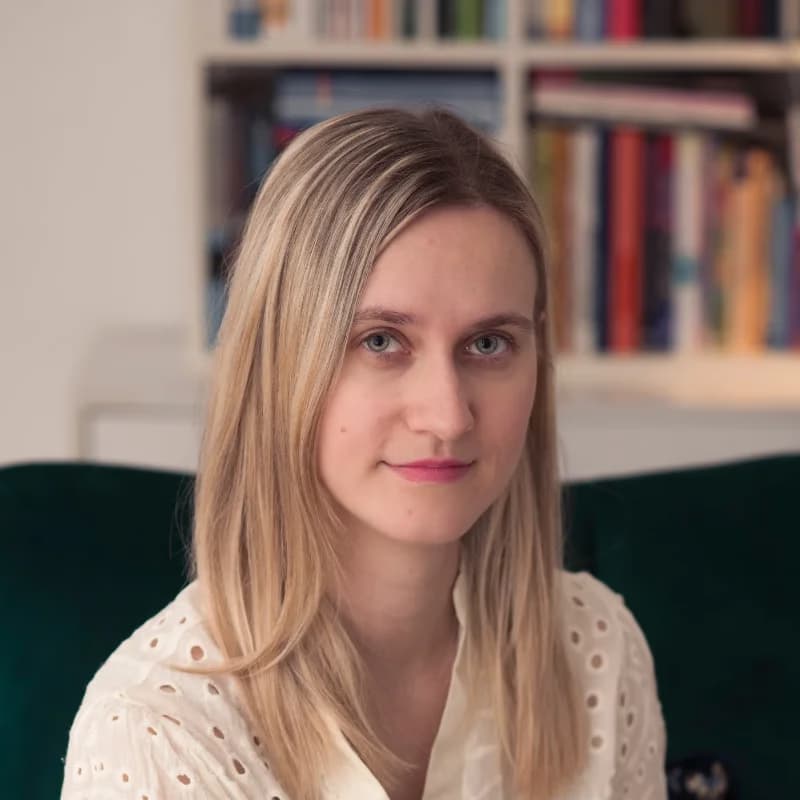
Mgr. Andrea Mrázová
7 years
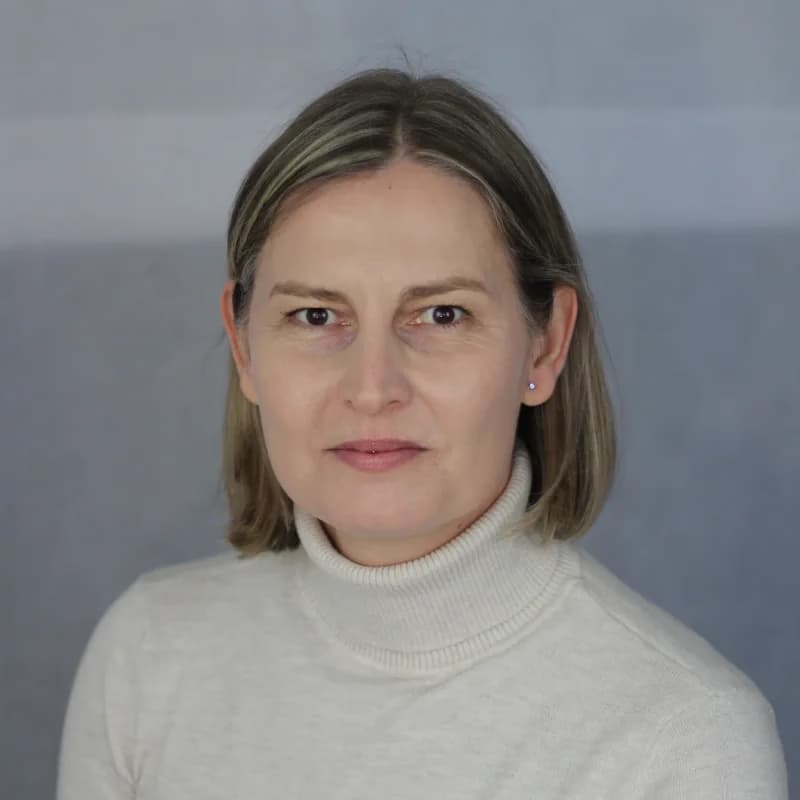
Mgr. Lucia Kuruczová
22 years

Mgr. Silvia Szallerová
4 years

Mgr. Eva Šmírová
3 years
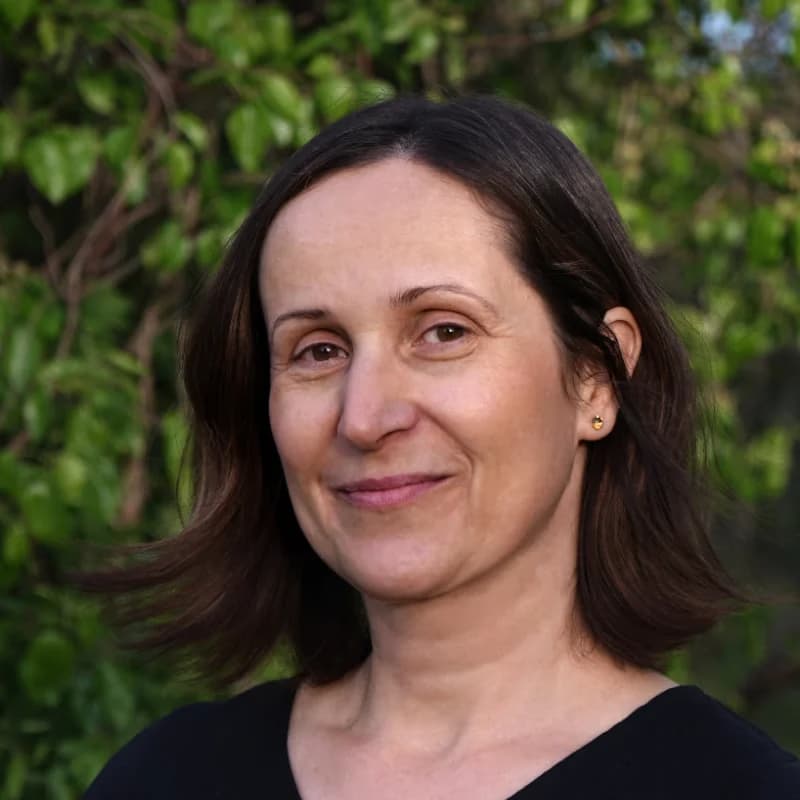
Mgr. Miroslava Majdová
15 years

Bc. Katarína Hommel
5 years

Mgr. Eva Šimuláková
9 years

MUDr. Erika Hamranová
8 years

Mgr. Martin Vetrák
4 years

Mgr. Zuzana Gredecká, PhD.
3 years

Mgr. Juliana Weiss
7 years

Mgr. Karol Kleinmann
16 years

Mgr. Stanislava Van Laer
6 years

Mgr. Peter Gubiš
5 years

Mgr. Katarína Slováková
19 years

Mgr. Simona Drozda
4 years

Mgr. Bianca Hudzovičová
4 years

Mgr. Alžbeta Kajanková
6 years

Mgr. Daniela Jančušková
5 years

Mgr. Petra Panáková
6 years

Mgr. Lenka Sarnecká
9 years

Mgr. Kristína Jasenovec
6 years

Mgr. Michaela Pláňavská
8 years

Mgr. Karolína Kollárová
6 years

Ivana Oráčová, MS.c.
4 years

PhDr. Naďa Dudová, MBA
6 years

Mgr. Petra Petrocová
8 years

Mgr. Gabriela Jursová
3 years

Mgr. Simona Hanová
5 years

Mgr. Valéria Lipková
5 years

Mgr. Dominika Hanzenová
11 years

Mgr. Veronika Mičicová
4 years

Mgr. Dominika Neprašová
5 years

Mgr. Martin Šutliak
9 years

PhDr. Mojmír Trebuňák
14 years

Mgr. Barbora Laskaris
7 years

Mgr. Ľudmila Barnová
9 years

Mgr. Hana Tichá
14 years

Mgr. Lenka Varadyová
5 years

Mgr. Katarína Bobáková
4 years

Mgr. Eva Gašparíková
15 years

Mgr. Dominika Beregszásziová
4 years

Mgr. Matúš Alexander Lavrík
6 years

Mgr. Jana Kucbel Šalapková
7 years

Mgr. Kristýna Janešíková
5 years

Mgr. Martina Miková, PhD.
10 years

Mgr. Júlia Šimeková
12 years

Mgr. Jana Kapcová
4 years

Mgr. Branislav Sabaka
4 years

Mgr. Ľubica Harman
7 years

Mgr. Jaroslava Heimlichová
4 years

Mgr. Viktória Ružbaská
6 years

Mgr. Dana Lúčanová
9 years

Mgr. Róbert Vavro
17 years

Mgr. Tomáš Hrdlička
4 years

Mgr. Tomáš Pavúk
10 years

Mgr. Libuša Lejková
16 years

Mgr. Veronika Hanusková Orlovská
14 years




What approaches are used when working with self-perception?
Humanistic approach
Developed by Carl Rogers, this approach is built on accepting a person unconditionally and without judgement. In a relationship with an accepting professional, you learn to accept yourself too and to trust your own experience more.
Working with self-compassion
Self-compassion means treating yourself with the same kindness you would show a close friend. Research by psychologist Kristin Neff shows that it is linked to lower anxiety and greater psychological resilience. It helps quieten the inner critic and cope with failure.
Cognitive behavioural approach
CBT works with negative beliefs about yourself, such as "I'm not good enough". You learn to recognise them, test them and replace them with a more realistic view. When it comes to your relationship with your body, it also works with comparing yourself to others and avoiding situations.
Support with questions of gender identity
With questions of gender identity or sexual orientation, it is important to have a professional who is sensitive to LGBTQIA+ topics. They offer a safe space to explore your own identity without pressure towards a particular outcome, as well as support with coming out and coping with stigma.
Which approach is suitable depends on the person and the situation. It is best to talk it over with a professional.
Frequently asked questions
What is the difference between self-confidence and self-worth?
Self-confidence is trust in what you can do, for example handling a presentation or a new job. Self-worth is a deeper sense that you have value as a person, regardless of performance. You can be confident at work and still have low self-worth. That is why working on self-worth is often more important.
How can I improve my relationship with my body?
It helps to notice how you talk about your body and to limit content that makes you compare yourself. Instead of appearance, you can focus on what your body allows you to do. If negative thoughts about your body are linked to restricting food or overeating, talk to a professional or a doctor.
What does it mean to be a highly sensitive person?
High sensitivity is an innate trait described by psychologist Elaine Aron in the 1990s. Highly sensitive people process stimuli more deeply, experience emotions more intensely and become overwhelmed more easily. It is not a disorder. With a professional, you can learn how to live with your sensitivity and make use of its strengths.
Can I find a professional here who is sensitive to LGBTQIA+ topics?
Yes, on ksebe you will find professionals who work with topics of identity and being transgender, or who are marked as LGBTQIA+ allies. Take a look at their profile and topics before booking.
Do sessions work online too?
Yes. With topics of identity and self-perception, many people find an online session from home a safer first step. For many forms of psychological support, research shows comparable results online and in person. If you prefer personal contact, you can choose an in-person session.
How much does a session cost?
Each professional sets their own price. On ksebe, prices start from €30 per session. Sessions take place online, and some professionals also offer in-person sessions. You can see the price, format and available times on each profile.
Získaj exkluzívne ponuky a novinky
Starám sa o seba