Trauma and Crisis Situations
Overcome challenging life situations and find your footing again
Trauma is a psychological response to an event or a long-term situation that exceeded a person's ability to cope with it and disrupted their sense of safety. It can be a one-off event (an accident, the sudden loss of a loved one, an assault), long-term exposure to a threatening environment, for example in childhood, or trauma passed down between generations. A crisis is a temporary period when the ways of coping you have relied on so far stop being enough, for example after a loss, a breakup or a major life change.

Show more
Life sometimes brings us situations that deeply affect us and shake our foundations. Whether it is the sudden loss of a loved one, a traumatic event, domestic violence, or long-term exposure to an unsuitable environment, these experiences can leave deep scars on our soul. We often feel lost, without meaning in life and full of pain that we cannot process.
It is precisely in these difficult moments that it is important not to remain alone. Professional help can provide you with a safe space to express your feelings and process trauma. A professional will help you find strategies for coping with the crisis, support you in the grieving process, and help you discover a new meaning in life.
The road to recovery can be difficult, but you are not alone. With the support of a professional, you can gradually process your experiences, find inner strength, and regain a sense of control over your life. Whether you are coping with recent trauma or the long-term effects of past injuries, they can be processed step by step, and you can find a new beginning.
Remember that seeking help is not a sign of weakness, but of courage, and the first step toward a better tomorrow. Together, we can work to help you rediscover joy, meaning, and inner peace in your life.
- Crisis
- Challenging Life Situations
- Forgiveness
- Psychological Wounds
- Mourning
- Loss of a Loved One
- Loss of Meaning in Life
- Transgenerational Trauma
- Trauma
- Grieving
- Life Changes
- Meaning of Life
- Dying
- Coping with Life Situations
When to seek help?
Memories come back against your will.
Thoughts, images or dreams about the event overwhelm you even weeks later and trigger intense fear.
You avoid places and people.
You steer clear of everything that reminds you of the event, and your world gets smaller as a result.
You're constantly on guard.
You find it hard to fall asleep, you startle easily, you're irritable or you can't concentrate.
You feel disconnected.
You feel as if you're living behind glass, you're drifting away from people close to you, and things you used to enjoy are losing their meaning.
The grief won't go away.
Months have passed since you lost someone close, but the pain still paralyses you and you can't manage everyday responsibilities.
You're looking for an escape.
To cope with tension, you reach more and more often for alcohol, food, work or your phone.
Experts on this topic

PhDr. Lea Bodnár
6 years

PhDr. Iveta Jonášová, PhD.
19 years

Mgr. Michaela Valentovičová
5 years

PhDr. Romana Vašíček
4 years

Mgr. Monika Gregussová
7 years

Mgr. Anna Hubčíková
8 years

PhDr. Simona Zahoráková
8 years

Mgr. Karolína Pleško
5 years

Mgr. Dominika Jašeková
6 years

MUDr. Erika Hamranová
8 years

Mgr. Paulína Baranová
9 years

Mgr. Soňa Devečka Gorušová
12 years

Mgr. Andrea Hladká
4 years

Mgr. Barbora Medovarská
5 years

Mgr. Dana Sidorová
5 years

Mgr. Eva Šimuláková
9 years

Mgr. Eva Timoščuková
3 years

Mgr. Anna Danková
7 years

Mgr. Janka Lacková
20 years

Mgr. Katarína Baňasová, PhD.
10 years

Mgr. Katarína Bobáková
4 years

Mgr. Katarína Kajanová
5 years

Mgr. Katarína Melová
15 years

Mgr. Iveta Pivarčiová
7 years

Mgr. Eva Falisová
4 years

Mgr. Lenka Jurčová
15 years

Mgr. Lenka Vavro
3 years

Mgr. Ľubica Lampartová
5 years

Mgr. Lucia Dodeková
10 years

Mgr. Lucia Hlístová
4 years

Mgr. Lucia Kuruczová
22 years

Mgr. Lucia Žiaková
20 years
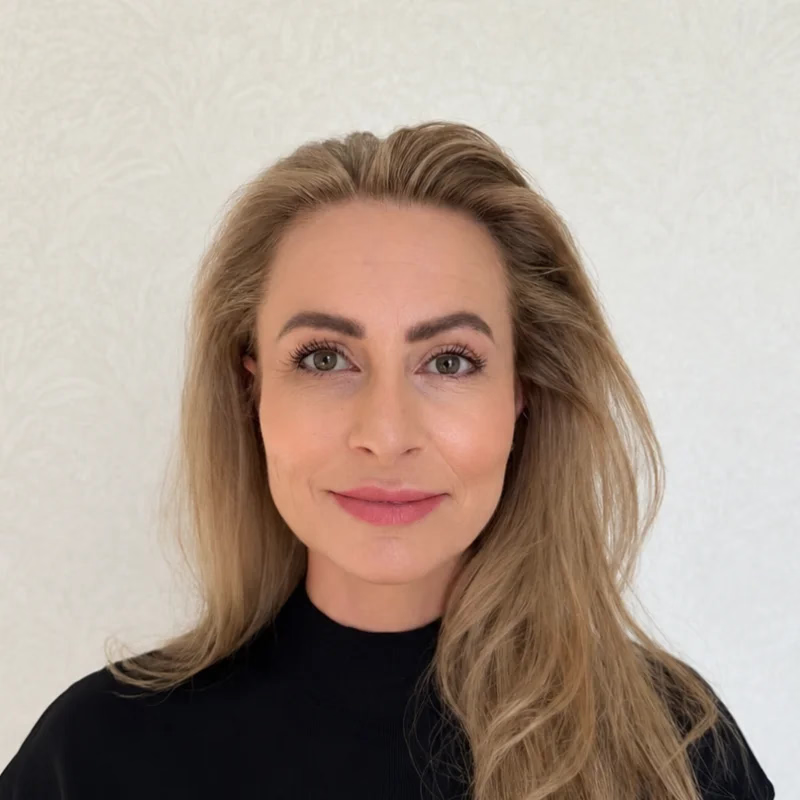
Mgr. Mária Šemberová
3 years

Mgr. Blanka Žiaková
9 years

Mgr. Jaroslav Jarabica
16 years

Mgr. Martin Vetrák
4 years

PhDr. Andrea Beňušková
30 years

Mgr. Karolína Kollárová
6 years

Mgr. Martina Hašková
6 years

Mgr. Barbora Senková
6 years

Mgr. Eva Šmírová
3 years

Mgr. Andrea Mrázová
7 years

Mgr. Martina Sidorová
11 years

Mgr. Lenka Ballová
2 years

Mgr. Martina Verešová
7 years

Bc. Katarína Hommel
5 years

Mgr. Anna Mondeková
7 years

Mgr. Michaela Guldanová
8 years

Mgr. Michaela Senková
8 years

Mgr. Michaela Valušová
5 years

Mgr. Miroslav Lakatoš
30 years

Mgr. Michaela Lamancová
6 years

Ing. Mgr. Andrej Kuruc
7 years

Mgr. Natália Macková
10 years

PhDr. Jana Zelková
13 years

Mgr. Nora Sonča Gnipová
7 years

PhDr. Jana Fondrková
9 years

Mgr. Judita Majerová
6 years
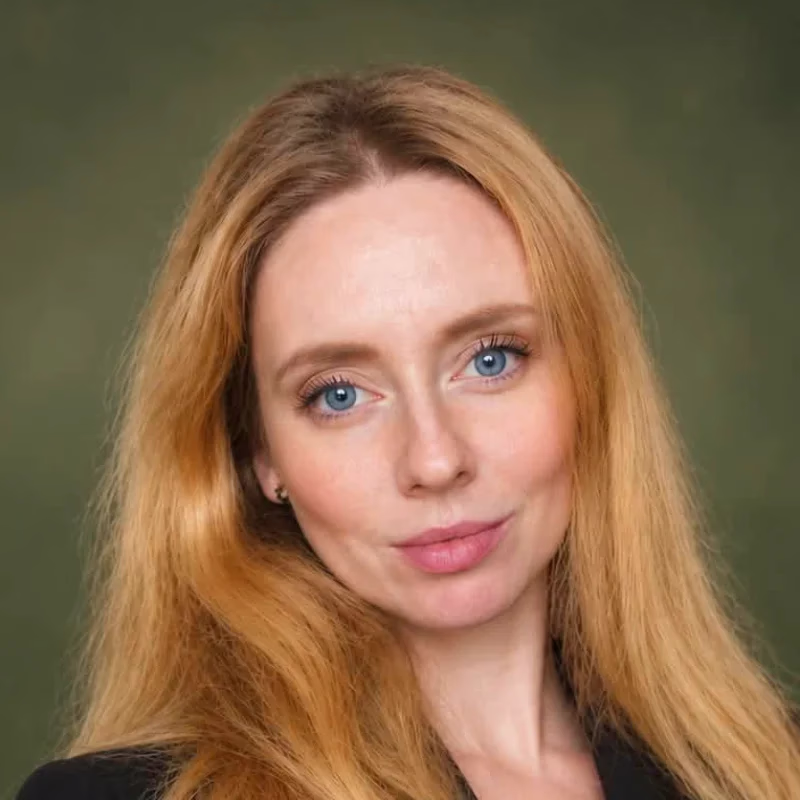
PhDr. Radka Balková Ligušová
8 years

Mgr. Silvia Aziriová, PhD.
14 years

Mgr. Silvia Frantová
6 years

Mgr. Silvia Szallerová
4 years

Mgr. Simona Korenačková
4 years

PhDr. Simona Lengyelová
35 years

Mgr. Veronika Čiefová
4 years

Mgr. Veronika Pastrnáková
9 years

Mgr. Veronika Šemberová
5 years

Mgr. Veronika Záškvarová
7 years

Mgr. Vladimíra Majerníková
15 years

Mgr. Zuzana Bičejová
14 years

Mgr. Zuzana Gredecká, PhD.
3 years

Mgr. Zuzana Sapietová
15 years

Mgr. Zuzana Svepešová
7 years

Mgr. Dagmar Kotmel
38 years

Mgr. Petra Petrocová
8 years

Mgr. Jana Kapcová
4 years

Mgr. Jana Sloviková
12 years

Mgr. Karol Kleinmann
16 years

Mgr. Libuša Lejková
16 years

Mgr. Matúš Alexander Lavrík
6 years

Mgr. Kristýna Janešíková
5 years

Mgr. Tomáš Hrdlička
4 years

Mgr. Jana Molentová
10 years

Mgr. Michaela Pláňavská
8 years

Mgr. Ľubica Harman
7 years

Mgr. Veronika Rusnáková
10 years

Mgr. Branislav Sabaka
4 years

Mgr. Alžbeta Kajanková
6 years

Mgr. Dominika Beregszásziová
4 years

Mgr. Dominika Neprašová
5 years

Mgr. Hana Tichá
14 years

Mgr. Júlia Šimeková
12 years

Mgr. Juliana Weiss
7 years

Mgr. Katarína Gajdošíková
6 years

Mgr. Katarína Slováková
19 years

Mgr. Kristína Jasenovec
6 years

Mgr. Lenka Sarnecká
9 years

Mgr. Lenka Varadyová
5 years

Mgr. Barbora Laskaris
7 years

Mgr. Martin Šutliak
9 years

Mgr. Daniela Jančušková
5 years

Mgr. Martina Miková, PhD.
10 years

Mgr. Martin Takáč
14 years

Mgr. Ľudmila Barnová
9 years

Mgr. Dominika Hanzenová
11 years

Mgr. Eva Gašparíková
15 years

Mgr. Bianca Hudzovičová
4 years

PhDr. Naďa Dudová, MBA
6 years

PhDr. Andrea Hrašková
9 years

Mgr. Jana Kucbel Šalapková
7 years

Mgr. Róbert Vavro
17 years

Mgr. Jaroslava Heimlichová
4 years

Mgr. Petra Panáková
6 years

Mgr. Simona Drozda
4 years

Mgr. Simona Hanová
5 years

Mgr. Sofia Beňková
11 years

Mgr. Soňa Krnáčová
5 years

Mgr. Stanislava Takáčová
10 years

Mgr. Stanislava Van Laer
6 years

Mgr. Tomáš Pavúk
10 years

Mgr. Valéria Lipková
5 years

Mgr. Veronika Mičicová
4 years

Mgr. Viktória Ružbaská
6 years


I need urgent help
Crisis lines for children, youth, and adults in acute crisis or difficult life situations operate 24 hours a day through telephone or written form.


What approaches are used for trauma?
EMDR
The EMDR method was developed in the late 1980s by the American psychologist Francine Shapiro. While recalling a difficult event, alternating stimulation is used, most often eye movements, so that the memory gradually loses its emotional intensity. The World Health Organization lists it among the recommended approaches for post-traumatic stress disorder.
Trauma-focused CBT
Trauma-focused cognitive behavioural therapy works with the thoughts, emotions and behaviours that persist after an event. At a safe pace, a person returns to their memories, learns to recognise distorted beliefs (for example “it was my fault”) and to manage anxiety. It was originally developed for children and adolescents; today its variants are also used with adults.
Body-based approaches
Trauma is stored not only in memories but also in the body, as tension, stiffness or constant alertness. Body-oriented approaches, such as somatic experiencing (Peter Levine), focus on sensing bodily sensations, calming the nervous system and restoring a sense of safety. They are often combined with other forms of work.
Supportive conversations and crisis support
Right after a difficult event, the aim is not to analyse the trauma but to stabilise: to have space to talk, to be heard and to find support. Supportive conversations help you get your bearings in the situation, cope with strong emotions and gradually return to everyday life. In acute danger, call 112 or a crisis line.
Which approach is suitable depends on the person and the situation. It's best to talk it over with a professional.
Frequently asked questions
What is trauma, and how is it different from everyday stress?
Stress is a response to pressure that usually fades once the pressure is over. Trauma arises when an event or a long-term situation exceeds a person's ability to cope with it and disrupts their sense of safety. Its signs, such as recurring memories, avoidance or constant alertness, can persist for months or even years after the event.
What happens at the first session with a professional?
The first session is for getting to know each other. The professional will ask what brings you and what you would like to change. You don't have to talk about the traumatic event in detail if you're not ready. You set the pace. At the end, you agree together whether and how you will continue.
Is an online session as effective as an in-person one?
For many forms of psychological support, research shows comparable results online and in person. An online session has the advantage that you are in a familiar and safe environment and don't have to travel anywhere. It's important to have a quiet place where no one will disturb you. If you are more comfortable with face-to-face contact, you can choose an in-person session.
Which approach is best for trauma?
There is no universally best approach. In professional practice, approaches used for trauma include EMDR, trauma-focused cognitive behavioural therapy, body-based approaches and supportive conversations. Suitability depends on the type of trauma, how long it has lasted and what feels safe for the person. A relationship of trust with the professional is just as important when choosing.
How much does a session cost, and can it be online?
Each professional sets their own price. On ksebe, prices start from €30 per session. Sessions take place online, and some professionals also offer in-person sessions. You can see the price, format and available times on each profile.
How many sessions will I need?
It depends on what you come with. After a recent crisis, a few sessions are sometimes enough to stabilise. Processing long-term trauma or childhood trauma usually takes longer. You agree on the number and frequency of sessions with the professional and can adjust them as you go.
How do I choose a professional?
Look at which topics the professional works with, what education and training they have and what session format they offer. A sense of safety and trust is just as important, so it's fine to consider after the first session whether the collaboration suits you. If not, you can try someone else.
Získaj exkluzívne ponuky a novinky
Starám sa o seba